What Is a Townhouse? A First-Time Buyer's Guide
By Jiffy Rozario · · 7 min read
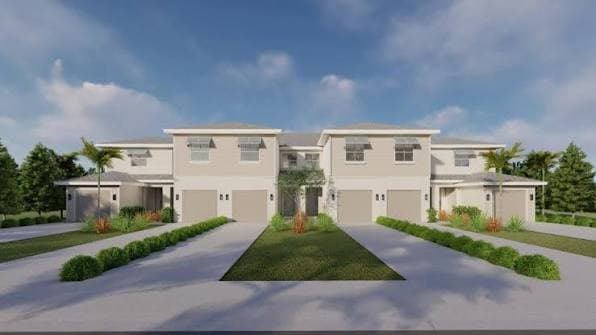
"A townhouse is a home you own — including the building itself, and often a small piece of land — that shares one or two walls with the home next door. It's not a rental term and it's not the same as a condo. If you're shopping for your first home and keep seeing ""townhouse"" on listings for communities like Lakeside Landing, this guide covers what it actually means and what it's like to live in one.
The plain-English definition
When you buy a townhouse, you own the structure: the walls, the roof, the inside, and usually the land directly under and around your unit. Your home is attached to your neighbor's on one or both sides, which is the main thing that separates a townhouse from a fully detached single-family house. You're still individually responsible for your own home's interior and exterior maintenance, the same way you would be with a single-family house — the shared walls don't mean shared upkeep.
This is different from a condo, where you typically own the interior space only, and a homeowners' association owns and maintains the building structure itself. We cover that comparison in more depth in Condo vs. Townhouse vs. Single-Family Home.
What that means day to day
Living in a townhouse feels a lot like living in a single-family home in most ways — you have your own front door, your own yard or patio space, and you're not sharing hallways or elevators with neighbors. The main differences show up around the edges: shared walls mean some sound can travel between units, and most townhouse communities have a homeowners' association that maintains shared amenities and common-area landscaping, which usually comes with a monthly fee.

Why builders build townhouses
Townhomes let a builder fit more homes onto a smaller piece of land than single-family houses would allow, which is part of why new townhome communities often start at a lower price point than nearby single-family new construction. At Lakeside Landing, for example, both floor plans — Bondi and Waverly — are two-story townhomes that have recently started in the high $400,000s to low $500,000s, generally a lower entry point than single-family new construction in the same part of Palm Beach County.

Is a townhouse a good fit for a first home?
For a lot of first-time buyers, yes. You get real ownership — building equity the same way you would in a single-family home — usually at a lower price point and with less exterior maintenance than a detached house, since the HOA typically handles the yard work and shared spaces. The trade-offs are a smaller footprint, shared walls, and an HOA fee that a single-family home wouldn't have.
If you're weighing a townhouse specifically against a resale single-family home in the area, Homes for Sale in Royal Palm Beach, FL: A Buyer's Guide covers that broader comparison.
What to actually check before you buy one
A few things are worth confirming on any townhouse before you sign anything: what the HOA fee is and what it covers, whether there's a warranty on the home itself (new construction typically includes one; resale usually doesn't unless negotiated), and how the shared walls are constructed — masonry block walls, like the ones at Lakeside Landing, generally transmit less sound than wood-frame party walls.
Common myths about townhouses, cleared up
A few misunderstandings come up often enough that they're worth addressing directly.
""A townhouse is basically an apartment."" No — an apartment is rented, and you don't own the structure or build equity in it. A townhouse is purchased and owned the same way a house is, just with a different physical layout.
""You can't get a normal mortgage on a townhouse."" You can. Conventional, FHA, and VA loans are all available on townhouses, the same as single-family homes, though the lender will typically want to review the HOA's financials as part of underwriting — a standard step, not a red flag.
""Townhouses don't appreciate in value like houses do."" Townhouses can and do appreciate; how much depends on the same factors that drive any home's value — location, condition, and the local market — not on the fact that it's a townhouse specifically.
""HOA fees mean the HOA can do whatever it wants with your home."" HOAs operate under governing documents that specify what they can and can't require. It's worth reading those documents before you buy, but a reasonable HOA fee for shared amenities isn't the same as losing control over your own home.
Financing a townhouse: what's different
Getting a mortgage on a townhouse works largely the same as financing a single-family home, with one extra step: your lender will usually want basic information about the HOA — whether it's financially healthy, what percentage of units are owner-occupied versus rented, and whether there's adequate insurance on shared structures. This is routine underwriting, not a sign of a problem, and a well-run HOA typically clears it without issue. New construction communities, since they're just getting started, sometimes have less financial history for a lender to review than an established HOA would — your loan officer can walk you through what that means for your specific situation.

Common Questions
Is a townhouse the same as a condo?
No. With a townhouse, you own the building and typically the land under it. With a condo, you own the interior space, but a homeowners' association owns and maintains the building structure.
Is a townhouse considered a single-family home?
Not usually in the way lenders and real estate records classify it, since it shares walls with a neighboring unit — but it's individually owned, unlike a rental apartment, and functions day to day much like a single-family home.
Do townhouses have HOA fees?
Almost always, since the HOA typically maintains shared amenities and common-area landscaping. Ask what a specific community's fee covers before you buy.
Are townhouses cheaper than single-family homes?
Often, yes, especially in new construction, since a builder can fit more townhomes onto the same amount of land. At Lakeside Landing, both floor plans start in the high \$400,000s to low \$500,000s.
Do townhouses share a yard with neighbors?
It depends on the community. Some townhouses have small individual patios or lanais rather than a shared yard — ask about the specific outdoor space on any plan you're considering.
Can I get a warranty on a townhouse the same way I would on a house?
Yes, if it's new construction. Lakeside Landing homes come with a 1-year workmanship warranty, a 2-year systems warranty, and a 10-year structural warranty, the same as the builder's single-family communities.
Do townhouses have their own address, or is it shared?
Each townhouse unit has its own individual street address, the same as a single-family home — you're not sharing an address or a unit number the way an apartment building typically works.
Is it harder to sell a townhouse than a single-family home?
Not inherently. Resale speed depends much more on price, condition, and local market demand than on the fact that a home is a townhouse.
Ready to take the next step?
Call 561-704-0091 to talk with a National House Search specialist, or See a Lakeside Landing Townhouse — Schedule a Visit.
Related reading: Homes for Sale in Royal Palm Beach, FL: A Buyer's Guide, Bondi vs. Waverly: Comparing the Two Lakeside Landing Floor Plans, Condo vs. Townhouse vs. Single-Family Home: What's Really Different, Buying New Construction in Royal Palm Beach: What to Expect, Step by Step, and the Lakeside Landing community page. "