Buying New Construction in Greenacres: The Home Inspection Question
By Jordan Jay · · 6 min read
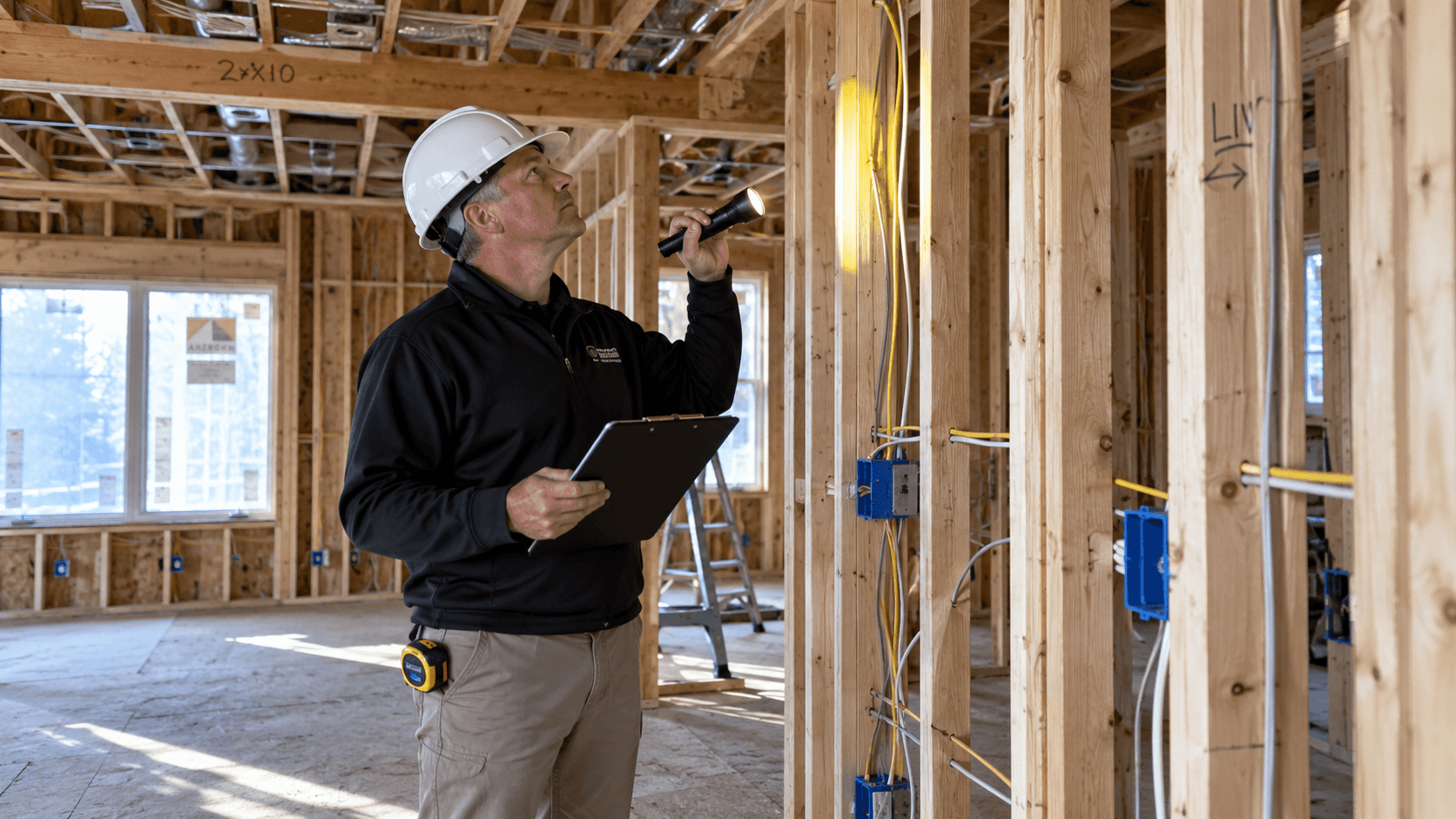
"It's brand new, do I really need an inspection?" is one of the most common questions we hear from buyers looking at new construction in Greenacres, and the honest answer is yes—a new construction home inspection catches things a builder's own quality control sometimes misses, and it's a small cost relative to what it can protect against down the road.
Why a new home can still need an inspection
New construction homes go through county inspections during the build process, and reputable builders like D.R. Horton run their own third-party inspections on top of that. But those inspections check that a home meets code and that major systems function—they're

not the same as an inspection working exclusively for you, looking for anything from a missed connection to cosmetic issues worth flagging before you close.
Common findings on new construction inspections include minor drywall issues, improperly sealed windows or doors, HVAC systems that aren't quite balanced correctly, or plumbing connections that need a final check. None of these are usually dealbreakers, but they're exactly the kind of thing worth having fixed before closing rather than discovering six months later once you're settled in and dealing with it on your own.
When to schedule the inspection
For a home that's still under construction, there are actually a few good points to inspect: a pre-drywall inspection (before walls are closed up, so an inspector can see the framing, wiring, and plumbing directly) and a final inspection once the home is complete but before your closing walkthrough. For a home that's already finished and move-in ready, a single inspection before closing usually covers it, though some buyers still choose to bring in a second opinion for extra peace of mind.
Either way, schedule it early enough that there's time to get any issues addressed before your closing date—waiting until the week of closing to schedule an inspection doesn't leave room to fix anything that turns up.
The buying process, step by step
Buying new construction in Greenacres generally follows a similar sequence regardless of which builder you choose, though the order can shift slightly depending on whether a home is already built or still under construction:
Tour available floor plans and pick the one that fits your household and budget.

Select a homesite, if the community has more than one lot available for your chosen plan.
Sign a purchase agreement and put down an initial deposit -- amounts vary by builder and community.
Choose options and finishes, if the home isn't already under construction or move-in ready.
Get pre-approved for financing, ideally before or shortly after signing, so there are no surprises closer to closing.
Schedule a pre-drywall inspection if the home is still being built.
Do your final walkthrough and inspection before closing.
Close and get your keys, followed by D.R. Horton's personalized new homeowner orientation.
What first-time buyers in Florida should know
Florida doesn't require a specific down payment percentage by law—that's set by your lender and loan type, and conventional, FHA, and VA loans all have different requirements. First-time buyers should also know that Florida real estate transactions typically use a title company or closing attorney rather than the buyer or seller directly, and that property taxes reset to the sale price the year after you buy, which is worth budgeting for since it's often noticeably higher than what the previous owner was paying under a long-held homestead exemption.
None of this is financial or legal advice—for anything specific to your situation, your lender and a real estate attorney are the right people to ask, and every buyer's circumstances are different enough that general guidance only goes so far. What we can tell you plainly: working with an agent doesn't typically cost a buyer anything extra when purchasing new construction, since the commission structure is usually built into the builder's process either way, and having someone representing your interests specifically—not the builder's—is worth having in your corner throughout the entire process.
Common mistakes first-time buyers make
A few patterns come up often enough to flag directly. Skipping the pre-drywall inspection is a common one—once walls are closed up, an inspector can no longer see the framing, wiring, and plumbing directly, and any issue found later means opening the wall back up rather than a simple fix during construction. Not reading the purchase agreement closely enough is another—new construction contracts include details about what's included as standard versus what counts as an upgrade, and assuming something is included when it's actually an add-on is one of the most common sources of frustration at closing.
Waiting too long to get pre-approved is another common misstep—some buyers tour multiple communities before starting the financing conversation, only to find their actual budget doesn't match what they'd been looking at. Getting pre-approved early avoids that mismatch and makes every tour after that point more useful, because you already know what's realistic.
Financing new construction
Getting pre-approved before you start seriously shopping tells you your real budget and makes the rest of the process faster once you find a plan you want. Builders sometimes offer incentives tied to using their preferred lender, which can be worth comparing against your own bank or a local lender—neither option is automatically better, and it's worth getting quotes from both before deciding which one actually saves you the most over the life of the loan.
Common Questions
Do I need a home inspection on new construction?
Yes -- we'd recommend it even on a brand-new home. It catches issues a builder's own quality control sometimes misses and gives you someone working exclusively in your interest.
When should I schedule an inspection on a home still being built?
Ideally at two points: a pre-drywall inspection before walls are closed up, and a final inspection before your closing walkthrough.
What do new construction inspections typically find?
Minor issues like drywall imperfections, improperly sealed windows, HVAC balance issues, or plumbing connections needing a final check -- usually not dealbreakers, but worth fixing before closing.
Does buying new construction cost more with an agent?
Generally no -- the commission structure is typically built into the builder's process either way, and an agent represents your interests specifically rather than the builder's.
How long does the new construction buying process take?
It depends on whether the home is already built or still under construction -- a finished home can close in weeks; a home still being built can take several months.
Should I get pre-approved before touring new construction communities?
It's a good idea -- pre-approval tells you your real budget and speeds up the process once you find a plan you want to move forward on.
Ready to start the process at Blossom Trail? Schedule a visit or call 561-704-0091 and we'll walk you through it, step by step.
Not sure a gated community is the right fit? Read is a gated community worth it? For everyday life near Blossom Trail, see schools, shopping and getting around. See what's included on every plan in what's included plus the D.R. Horton warranty, and for the full buyer's guide to this market, start with houses for sale in Greenacres, FL.